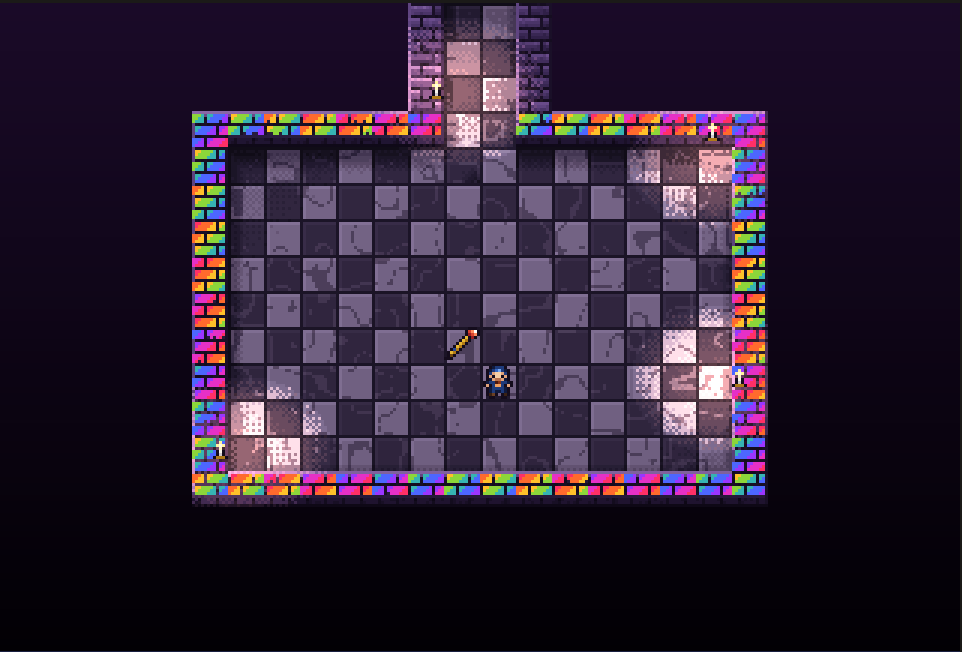
the cartridge was a score
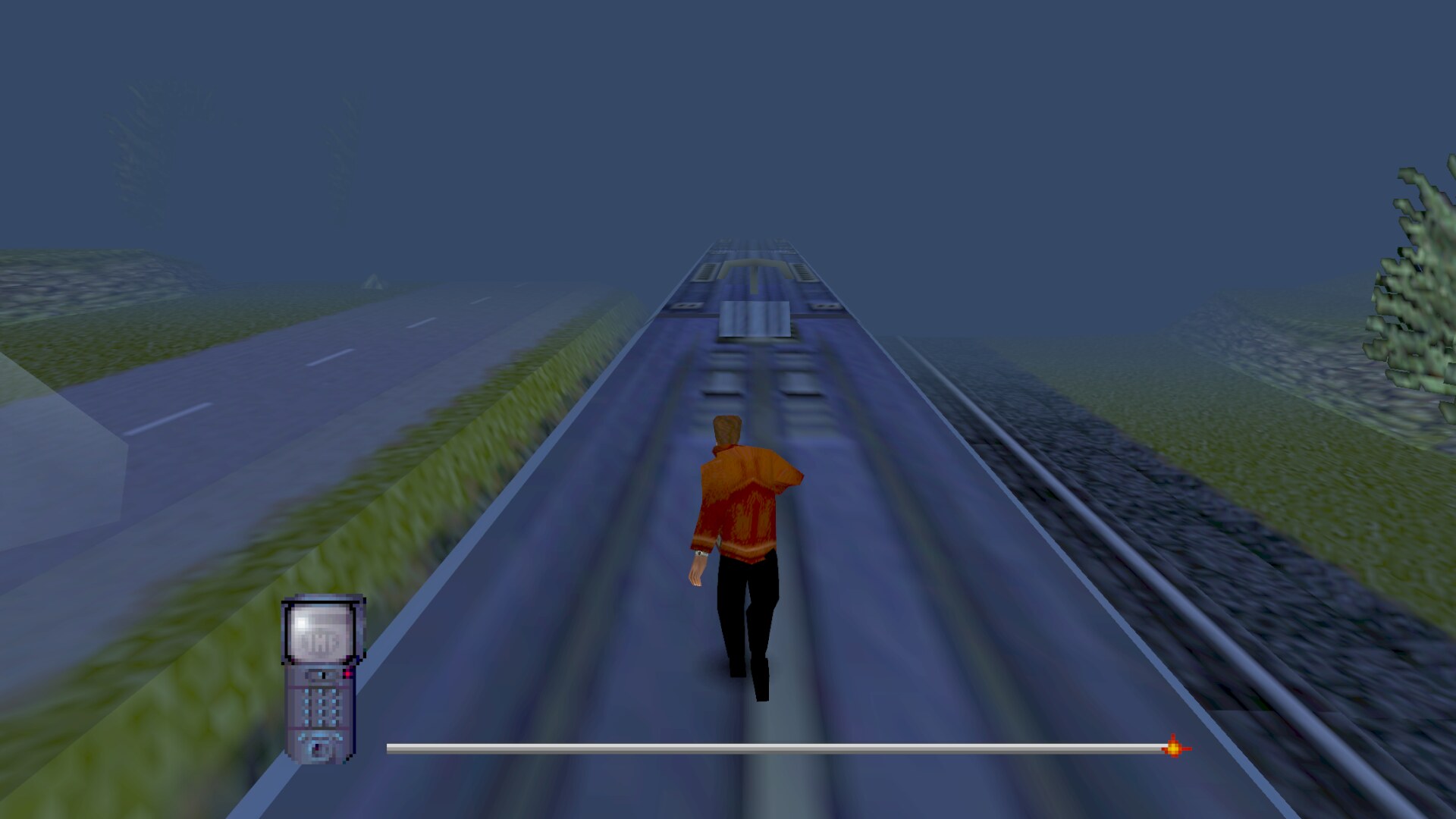
Mission: Impossible on the N64 had no decomp, no recomp and no PC port for 28 years. One night of static recompilation got it running natively at 60 FPS with mouse aim. Nelson Goodman would say the game stopped being a painting and became a piece of music, and the real work was everything the score never wrote down.
At sixty frames a second, Ethan Hunt stood still. On three frames in every eight he didn't move at all, then jumped a whole step to catch up. The fix for that is the most interesting thing in the repo.
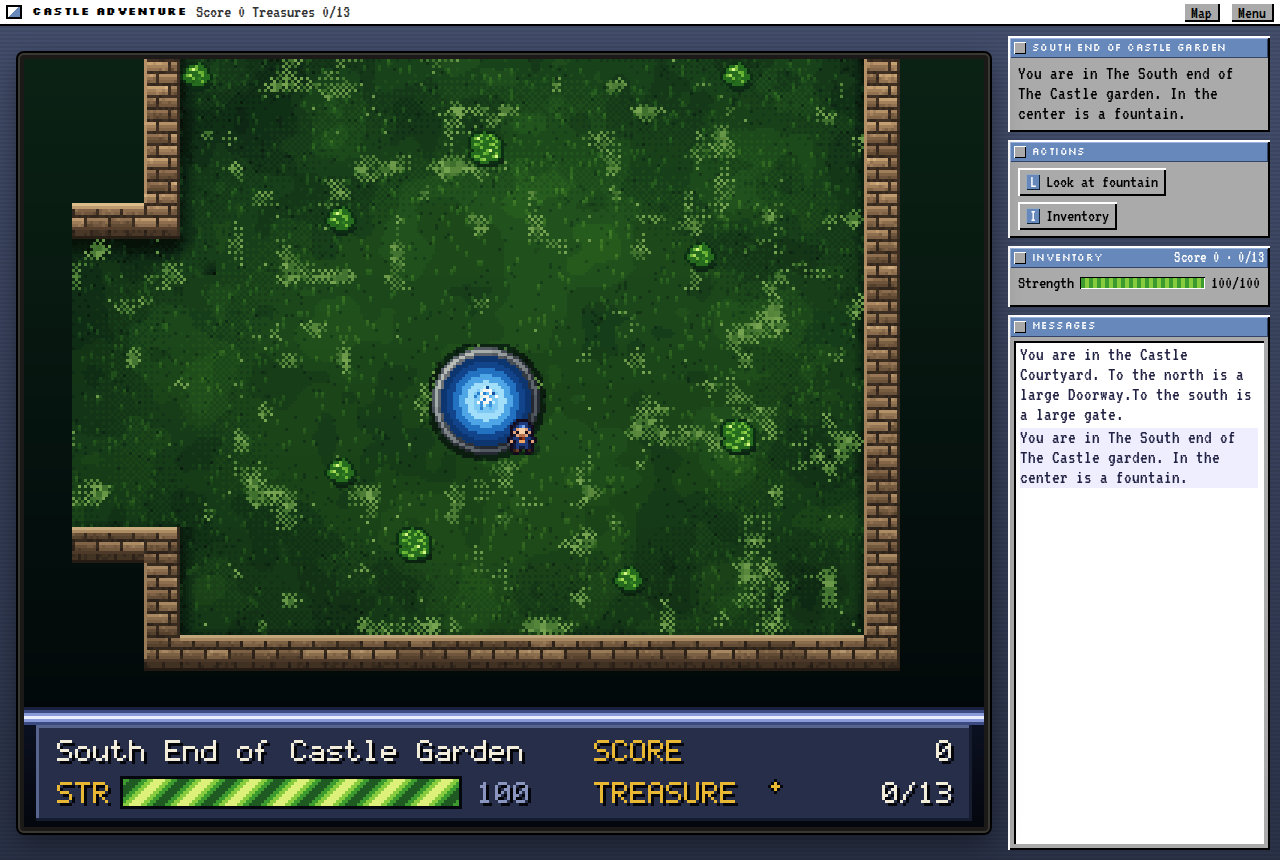
the child rendered the castle
Castle Adventure doesn’t show you a castle. It shows you a grey rectangle with a gap in one wall, three lines of text and a question mark. Kevin Bales …
also: the bot is not in a hurry · three games to sell one · the unremade
ninety-two percent
AI-attributed layoffs have pulled back since spring, and it’s tempting to read that as the scare passing. Goldman Sachs reads it the other way: technology …
also: the last dinosaur · a household again · the lint was the receipt
context-free
Formal languages and natural ones aren’t opposite designs. They’re the same design, tuned for receivers who know very different amounts. Here is a …
also: what do you keep it in · in your own image · the solvent that is not consumed
one beep, ten microphones
Someone in the house heard a beep a little before 12:13 AM and wanted to know what it was. I handed the question to an agent with access to the camera recorder. …
also: run the full test suite · Where the Sandbox Ends · the sandbox and the wall
the multi-organization problem
Ten years of short posts were circling one object: a person who belongs to many organizations at once, with tools that assume one and methods that assume a task. Here is the theory in one place, what three fields and forty years of software actually know about it, whether anyone has solved it, and what a solution needs.
also: the room that forgot what it was for · eleven minutes and four seconds · a root to stand on