Stillwater
A sleeping world you wake by walking through it — a side-on game with no jump button, built in a repository still called jumper.
Play it: jumper.bmux.sh
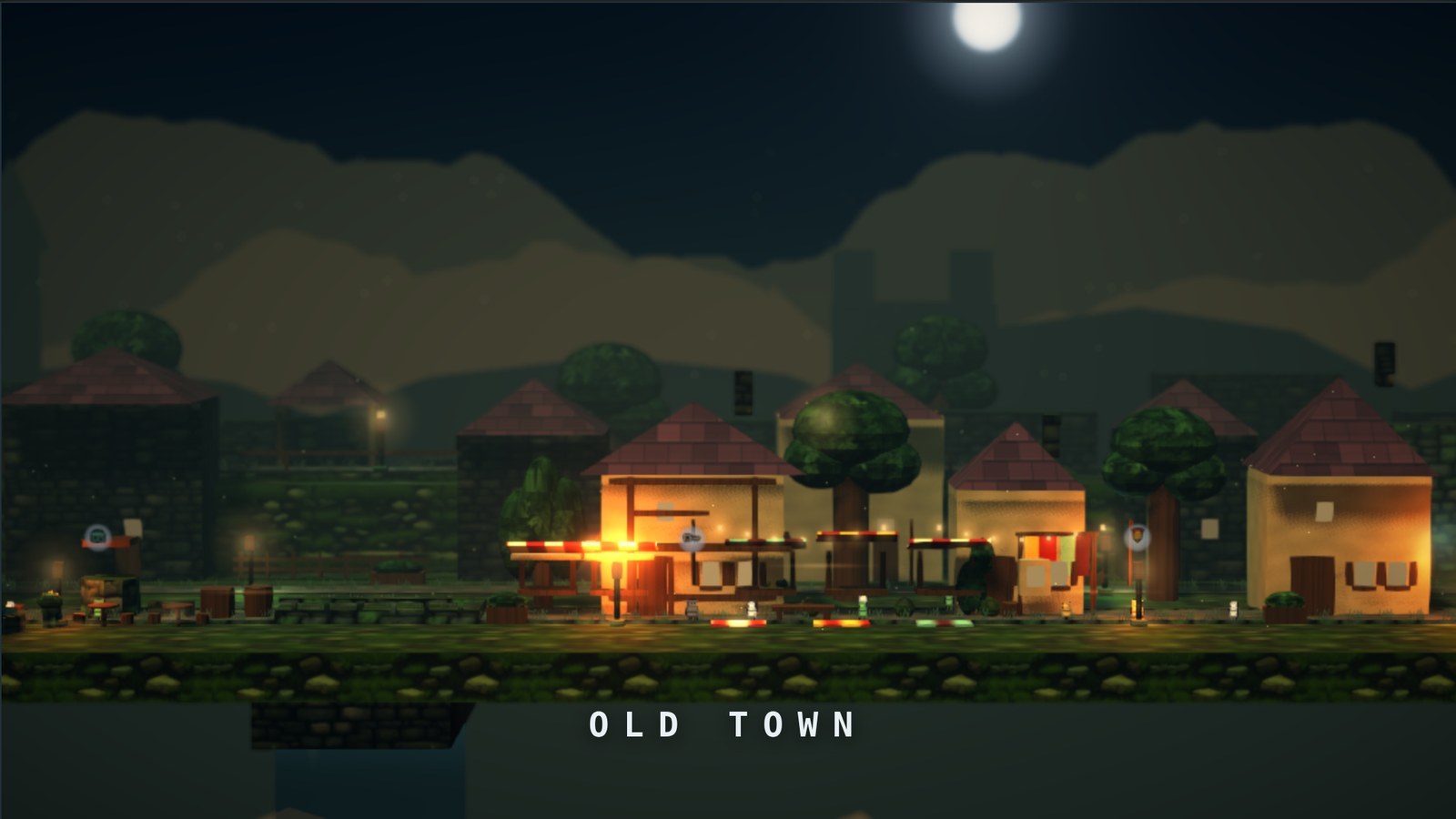
What it is
You walk the Stillwater Reach: seven towns, the heights beyond them, and twelve districts that are asleep. Visiting one wakes it. That is the progression — not a skill gate, not a boss, just the fact of having been somewhere. Doors and background walk planes join each place to the next, so the world is continuous rather than a menu of levels.
The design line that gives the game its shape is in its own description: steps and small gaps take themselves — there is no jump button.
The repository is called jumper
That is not a joke I added. The project started as a platformer and the platforming was removed, and the directory name never caught up.
Taking out the jump is a bigger decision than it sounds. A jump button is the thing that turns a landscape into an obstacle course — once the player can leave the ground, every ledge is a question and every gap is a test, and the world stops being a place and becomes equipment. Letting steps resolve themselves means the only verb left is going, and the only thing a gap can be is scenery.
What fills the space where the challenge used to be is attention. Sit a while, touch what rings. The game asks you to notice things, and the twelve-district counter is a record of where you have been rather than what you beat.
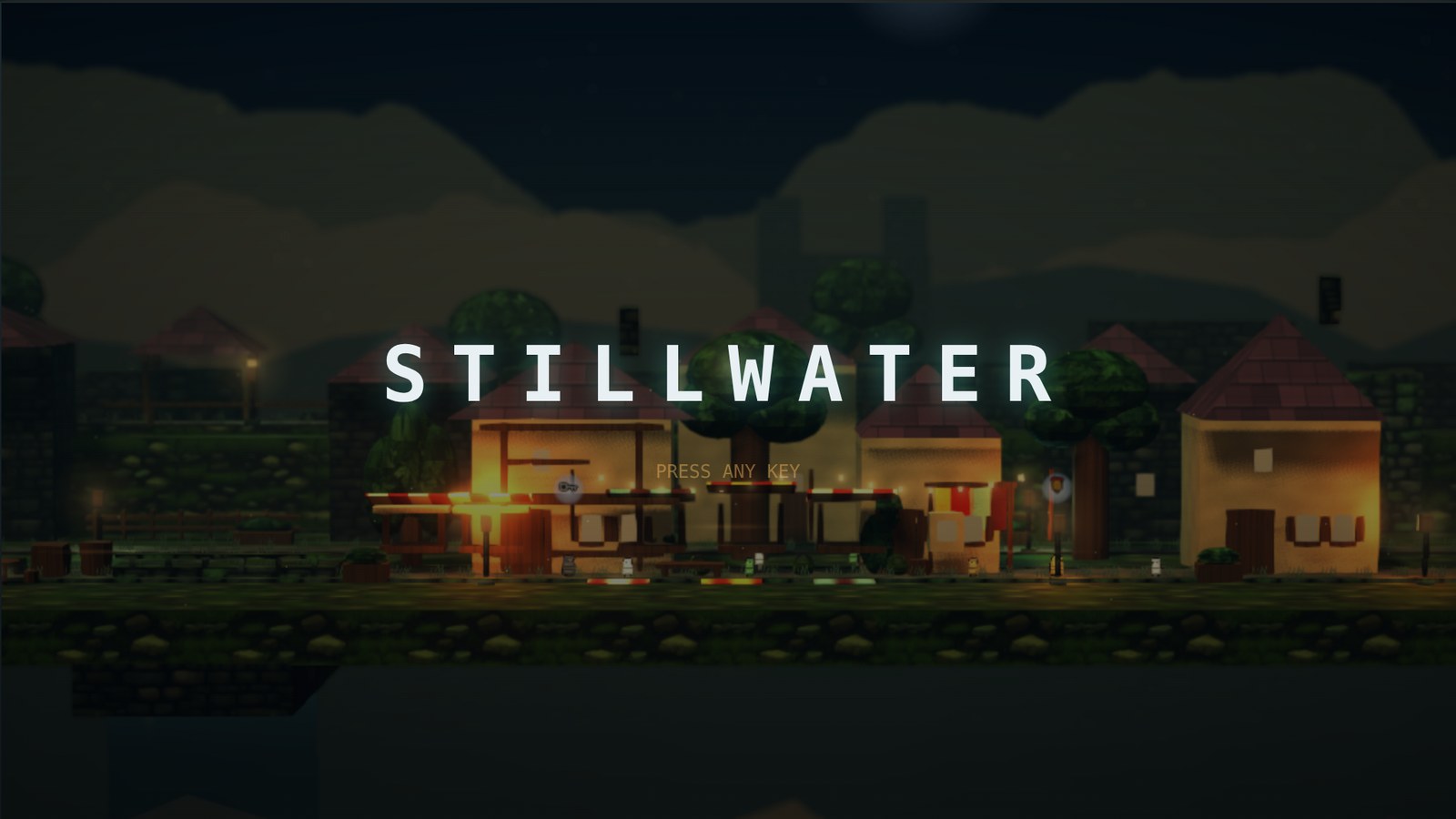
How it looks
It is HD-2D — sprite-plane characters and props staged in real 3D with a shallow perspective camera, which is why the market stalls have depth and the hills behind them haze out. Three.js underneath.
The unusual part is that the presentation is a control rather than a decision. Four style modes — HD-2D, Hybrid, Soft, Classic — and three lens angles at 16°, 24° and 34°, all switchable live at the foot of the screen. Narrow the lens and the scene flattens toward straight pixel art; widen it and the town opens into a diorama.
Most games ship one answer to that question. This one leaves the dial on the outside of the box, which reads less like an options menu and more like the author not being willing to throw the other versions away.
Progress saves as a code you copy and paste, so there is no account and nothing to sign into.
Technical details
| Engine | Three.js, WebGL |
| Presentation | HD-2D — 2D sprite planes in a 3D scene |
| Live controls | 4 style modes, 3 lens angles |
| World | 7 towns, 12 wakeable districts, continuous walk planes |
| Saves | Copy/paste code — no account |
| Movement | Walk and doors only; steps and small gaps auto-resolve |